Bake Brightly Without Eggs or Dairy: Pantry-Powered Goodness

We’re celebrating Egg-Free and Dairy-Free Baking with Pantry Substitutes, turning everyday staples into dependable magic. From aquafaba whisked into clouds to flax and chia creating gentle structure, discover techniques, ratios, and stories that prove dessert joy belongs to everyone. Join the conversation, ask questions, and share your favorite swaps so our ovens, notes, and confidence rise together.

Understanding Structure When Staples Are Missing
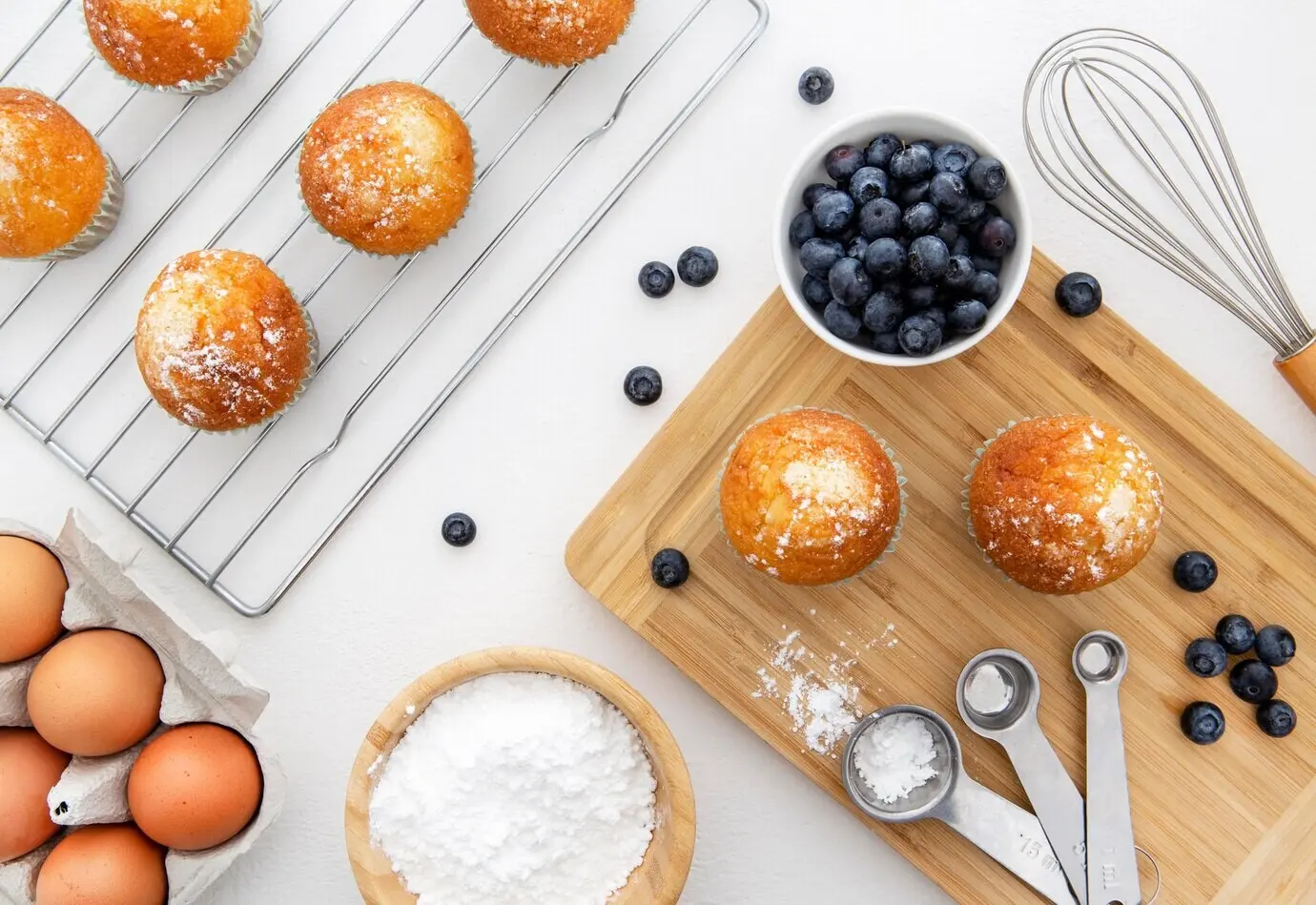
Eggs provide structure and lift, while dairy adds moisture and richness; removing both simply means choosing smarter building blocks. Starches, plant proteins, and balanced leavening recreate tenderness and rise. With careful mixing, strategic acidity, and the right fats, crumb becomes delicate, flavors shine, and familiar recipes adapt gracefully without fuss or compromise.

Pantry Staples and Smart Swaps

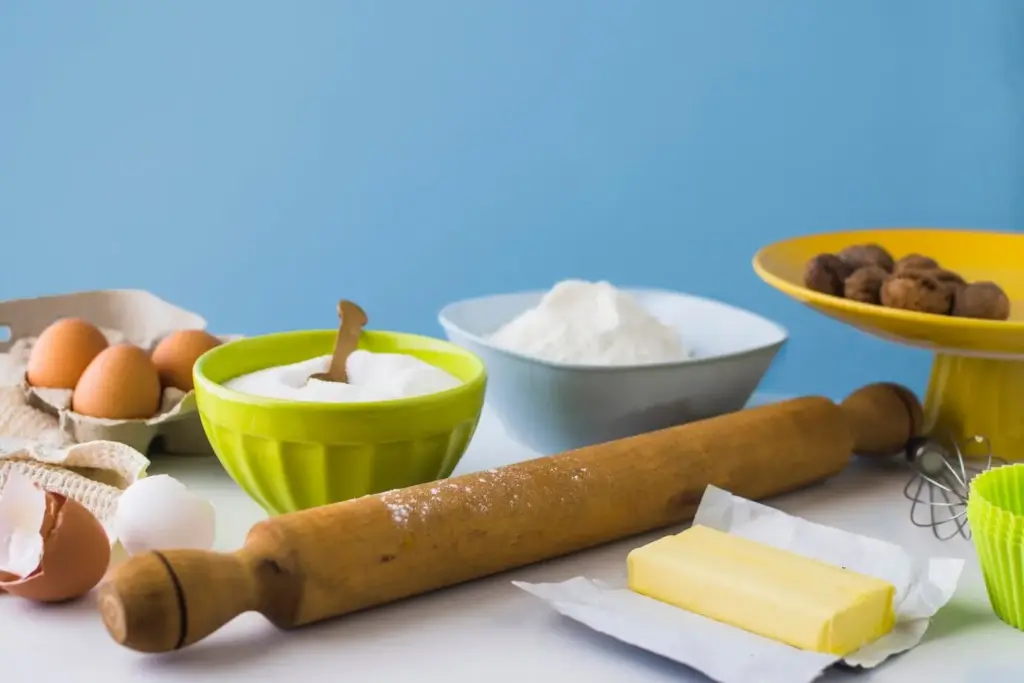
A well-stocked shelf transforms improvisation into consistency. Keep ground flax, chia, psyllium, cornstarch, tapioca, potato starch, baking powder, baking soda, vinegars, citrus, vanilla, cocoa, canned chickpeas, coconut milk, shelf-stable plant milks, nut or seed butters, and maple syrup. Label jars, note best-by dates, and batch-freeze aquafaba in ice trays for instant aeration.

Your Substitute Shelf, From Jars to Jugs

Ground flax, chia, and psyllium support structure; cornstarch, tapioca, and potato starch fine-tune tenderness; vinegars and lemon juice activate baking soda; vanilla and cocoa boost aroma; canned chickpeas supply aquafaba; coconut milk and shelf-stable oat milk anchor moisture; nut butters enrich. Organized, labeled staples transform last-minute cravings into calm, repeatable success.

Emergency Decisions, Explained Simply

Out of eggs for muffins? Use a flax gel. Baking a lofty cake? Whip aquafaba and combine with balanced leaveners. Want fudgy brownies? Try mashed banana or a little extra oil and cocoa. Cookies lacking chew? Incorporate aquafaba or cornstarch. Always note amounts, bake small tests, and adjust sweetness, acidity, and salt thoughtfully.

Flavor That Feels Luxurious

Layer richness without dairy using toasted flours, nut or seed oils, vanilla paste, citrus zest, espresso powder, and a tiny pinch of white or chickpea miso for savory depth. Salt enhances sweetness dramatically. Bloom cocoa in warm plant milk, swirl in jammy roasted fruit, or fold chopped dates for complex, lingering, satisfying finishes.

Techniques That Transform
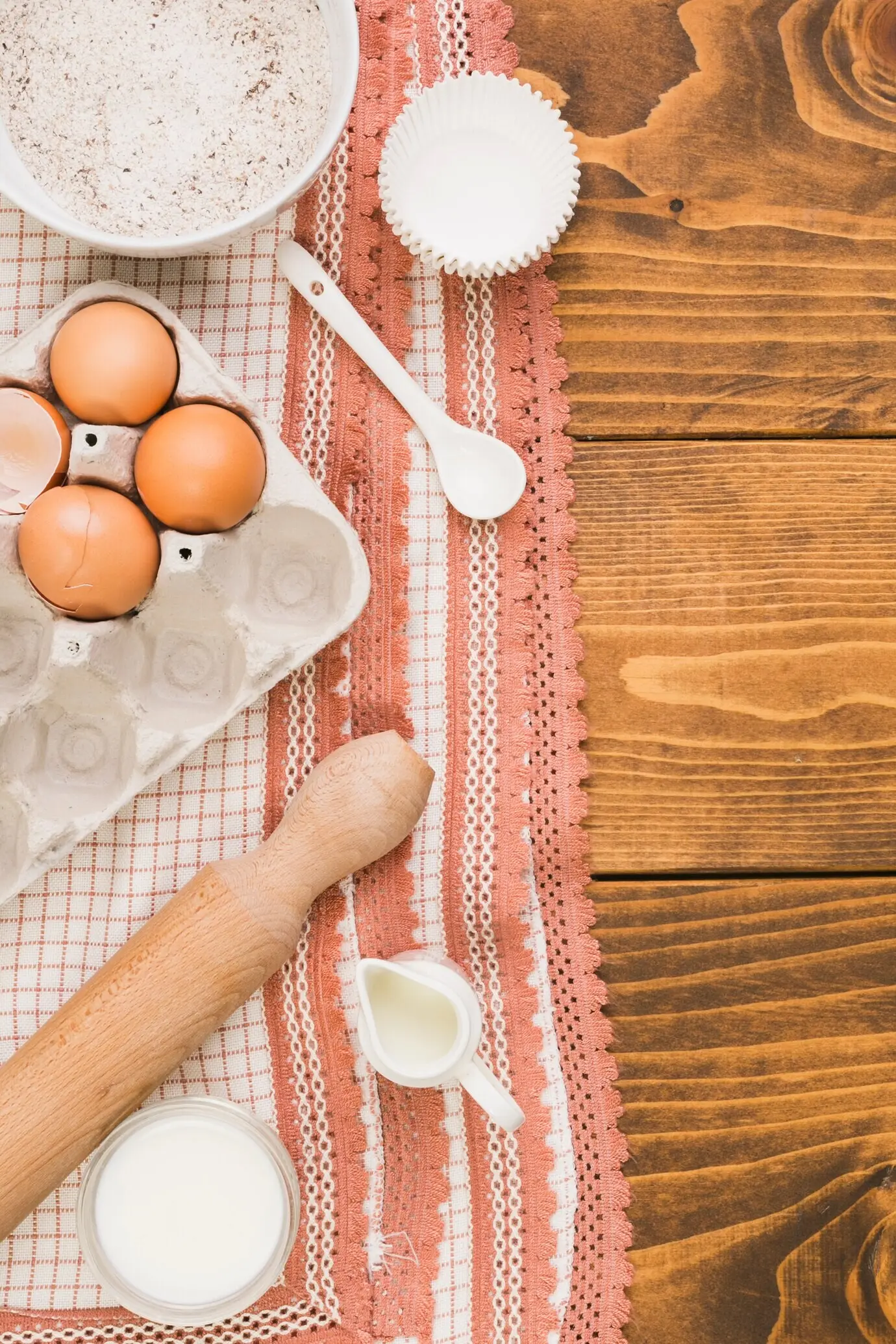
Process matters as much as ingredients. Room-temperature liquids emulsify better with oil. Resting batters hydrates starches and tames gumminess. Aquafaba requires impeccably clean bowls. Precise folding preserves bubbles, while measured mixing prevents gluten toughness. With timing, temperature, and gentle handling, egg-free and dairy-free bakes deliver dependable lift, tender crumbs, and confident slices.

Reliable Ratios for Everyday Bakes

Ratios guide creativity and consistency. Weigh ingredients, then adjust for humidity and altitude. Balance liquids, fat, and sweeteners against flours and starches. Maintain acidity for chemical leaveners. Start with proven frameworks, bake small test portions, and record results. With iterative tweaks, your pantry staples produce dependable, repeatable muffins, cookies, loaves, and snack cakes.

Muffins and Quick Breads

Begin with about two cups flour, two-thirds to three-quarters cup sugar, one cup plant milk, one-third cup neutral oil, one tablespoon vinegar, one tablespoon baking powder, and one flax gel. Fold in berries, spices, or zest. Rest briefly, then bake. Expect domed tops, tender crumbs, and flavors that remain vibrant even the next day.

Chewy or Crisp Cookies

For a small batch, try one cup flour, one-third cup fat, one-half cup sugar, two tablespoons aquafaba, and a pinch of baking soda and salt. Chill thoroughly for thicker cookies. For crisp edges, use more granulated sugar and warmer dough. Add cornstarch for softness, and sheet on light-colored pans for even browning.

Tender Snack Cakes

Use one and a half cups flour, one cup sugar, one cup plant milk, one-third cup oil, one tablespoon vinegar, one and a half teaspoons baking powder, and half a teaspoon baking soda. Whisk wet, combine with dry, fold carefully, and bake at moderate heat. Expect fine, even crumbs, confident rise, and sliceable tenderness.

Troubleshooting With Confidence

When results wobble, investigate systematically: hydration, mixing, leavening balance, oven temperature, and pan choice. Keep a bake journal, weigh ingredients, and use an oven thermometer. Adjust one variable at a time, retest in small batches, and annotate thoroughly. Precision today becomes intuition tomorrow, transforming uncertainty into reliably delicious outcomes everyone can trust.

Dense, Gummy, or Sunken

Check leaveners’ freshness and measure accurately. Reduce puree or add a spoon of starch for structure. Rest batter to hydrate flours. Extend bake gently, or choose a wider pan. Avoid overmixing, which toughens gluten and collapses lift. Confirm oven accuracy, and allow proper cooling so steam sets the crumb instead of sagging.

Too Spread Out or Not Spreading

For excessive spread, chill dough longer, switch to a lighter pan, or reduce oil slightly. For stubbornly thick cookies, warm dough briefly or increase granulated sugar. Adjust aquafaba by half tablespoons to fine-tune binding. Bake one test cookie, observe edges and centers, then calibrate time, rack height, and dough temperature accordingly for control.
Stories, Rituals, and Community
A neighbor’s child once asked for chocolate cupcakes they could enjoy safely. Aquafaba peaks, oat milk, cocoa bloomed in warmth, and a glossy glaze later, their grin said everything. Share your victories, questions, and swap ideas below. Subscribe for weekly tests, printable guides, and seasonal challenges that keep experimentation joyful, generous, and fearless.
Nuxuvozenuzivevatu
Privacy Overview

This website uses cookies so that we can provide you with the best user experience possible. Cookie information is stored in your browser and performs functions such as recognising you when you return to our website and helping our team to understand which sections of the website you find most interesting and useful.