Skillet Magic in Minutes
Today we dive into quick no-yeast flatbreads from pantry staples, the kind you mix in minutes, cook in a hot skillet, and tear while still steaming. Expect reliable techniques, adaptable ratios, and comforting stories that prove dinner can be spontaneous, thrifty, and genuinely exciting. Share your favorite tweaks, subscribe for weekly kitchen wins, and tell us how you transform ordinary cupboards into extraordinary meals.
Speed, Simplicity, and Flavor
When hunger is louder than patience, simple mixes and a fierce skillet deliver warm, flexible bread faster than delivery. Without yeast, there is no waiting for proofing or anxiety about rise times. Just flour, liquid, salt, a touch of fat, and heat. Add a quick rest, roll thin, and you’re minutes from the kind of comfort that disappears as quickly as it arrives.
All-Purpose, Whole Wheat, and Blends
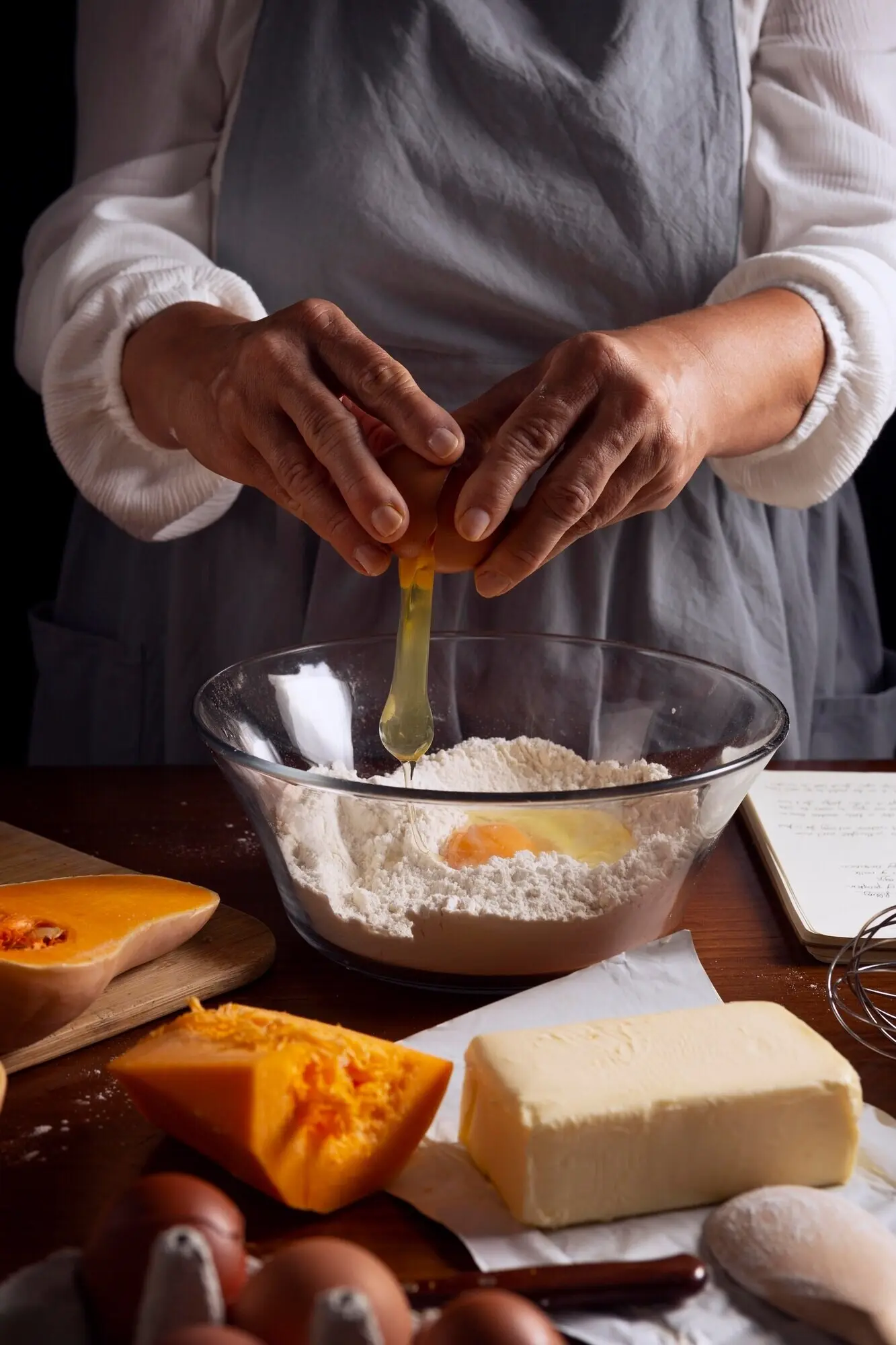
All-purpose flour keeps things elastic and approachable, excellent when time is tight. Whole wheat contributes nutrition and flavor, yet needs a splash more water to stay supple. Blending the two often gives the best of both worlds: gentle stretch, hearty taste, and that satisfying chew. Start fifty-fifty, then nudge proportions toward your preferred bite.
Gluten-Free Strategies That Actually Work
Use a reliable gluten-free blend with xanthan or psyllium to mimic elasticity. Hydration matters even more here, so let the dough rest briefly to hydrate starches fully. Roll between parchment to avoid tears, and cook slightly cooler so the center finishes gently. Expect delicate edges, pleasing tenderness, and a surprisingly sturdy wrap experience.
Mixing Until Just Combined
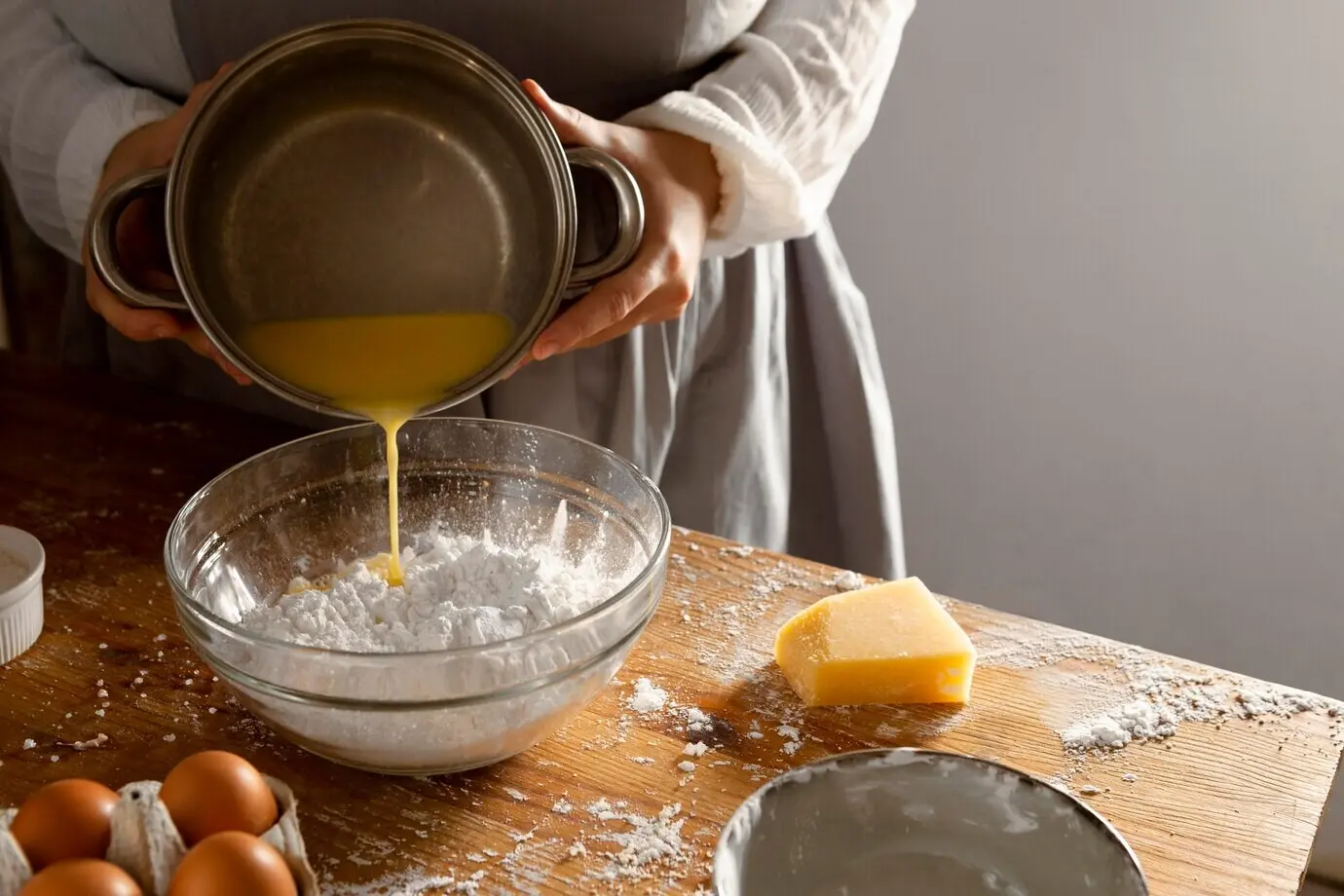
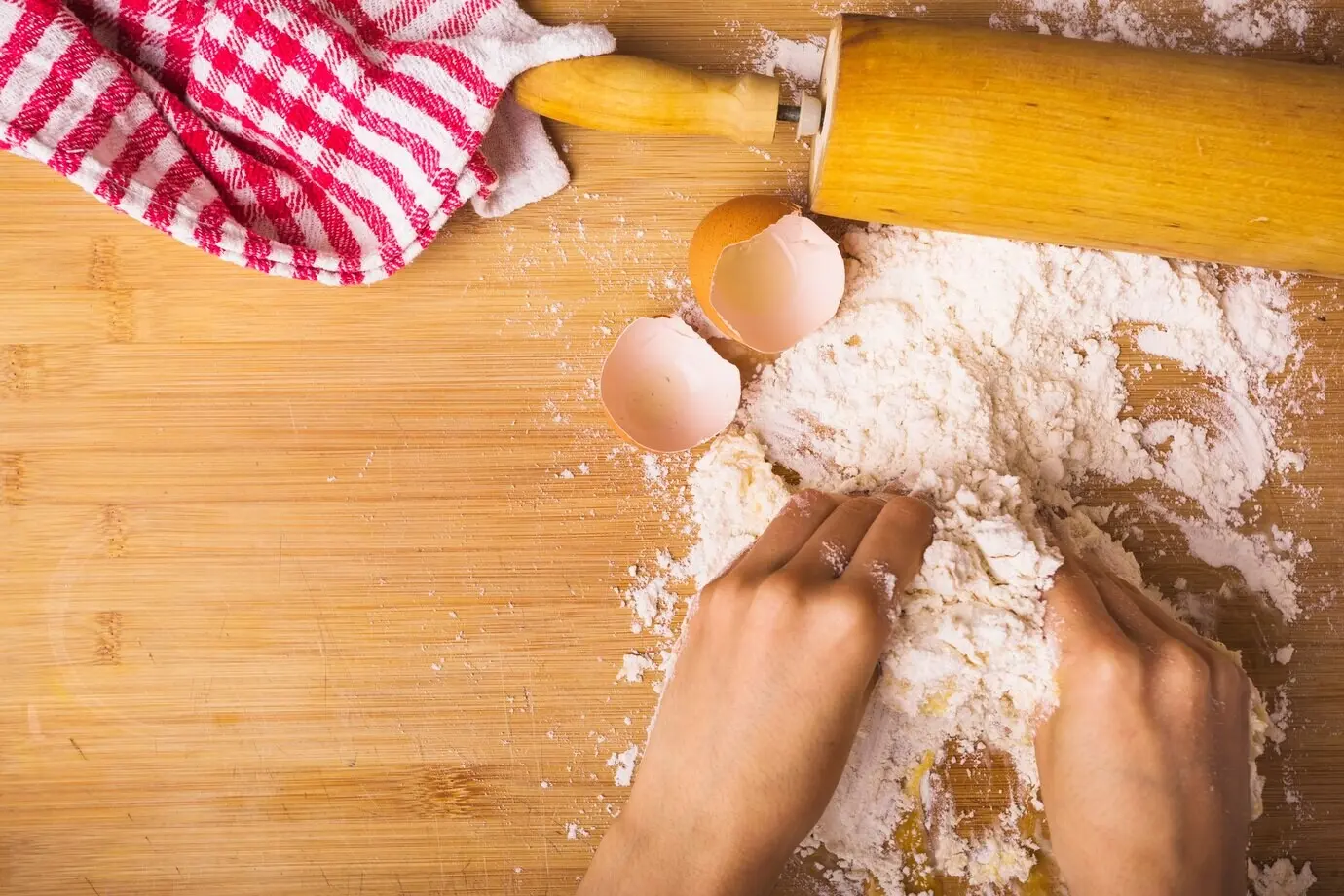
Stir wet into dry with a fork until shaggy clumps form, then switch to hands and lightly knead just until the dough comes together. Overworking builds chew that can resist rolling. Aim for smooth, not rubbery. Scrape the bowl, gather the dough, and let it sit while you preheat the pan. The dough will reward restraint.
Resting for Relaxed Gluten
Ten to fifteen minutes under a towel is transformative. Moisture equalizes, flour hydrates, and gluten loosens its grip, making the dough far easier to roll thin. This short pause also improves tenderness and prevents snap-back. Use the time to clear space, set toppings, and heat your skillet until a flick of water dances instantly.
Rolling for Thickness and Texture
Divide the dough into small balls and flatten from center outward, turning often for circles. Thinner rounds blister and char, perfect for dipping or wrapping; slightly thicker ones stay chewy, ideal for saucing. Minimal flour prevents dryness. If edges crack, pause briefly; the dough usually forgives when shown a little patience and warmth.
Mastering Heat and Surface
Heat is your accelerator and brush, painting flavor through contact and control. A thoroughly preheated surface encourages bubbles and speckles, while moderate flames safeguard tenderness. Cast iron delivers authority; nonstick offers calm. Whatever you choose, consistency matters more than fancy gear. Learn your pan’s personality and you’ll turn out round after round with joy.
Serving, Storing, and Reheating
Warm rounds invite generosity. Stack them inside a towel-lined bowl to trap steam, then ferry to the table to accompany soups, curries, salads, or scrambled eggs. Leftovers freeze flat and reheat impressively. A hot pan, toaster, or oven revives softness quickly. Share your favorite pairings and sauces below, and inspire tomorrow’s dinner rescue.
Fixes When Things Go Wrong
Kitchen confidence grows by solving small snags. Dry dough cracks, tough rounds fight your teeth, and uneven heat burns or leaves pale patches. Each problem has a friendly fix: adjust hydration, rest longer, or moderate the pan. These breads forgive generously, rewarding curiosity and calm tweaks. Post your challenges; our community loves troubleshooting together.
All Rights Reserved.